When the lights go down on a Friday arvo and the punters settle in, the question every operator asks is whether live dealers can be profitable over the long haul. It is not just about streaming a roulette wheel into a browser; it is about margin, latency, and whether a regional player on patchy broadband will stick around long enough to matter. I have spent years connecting racing data, sportsbook operations, and digital products across Australia, the UK, and Europe, and the answer usually comes down to one thing: unit economics per seated table, not raw traffic.
The Lobby, The Mix, and What Actually Holds Attention
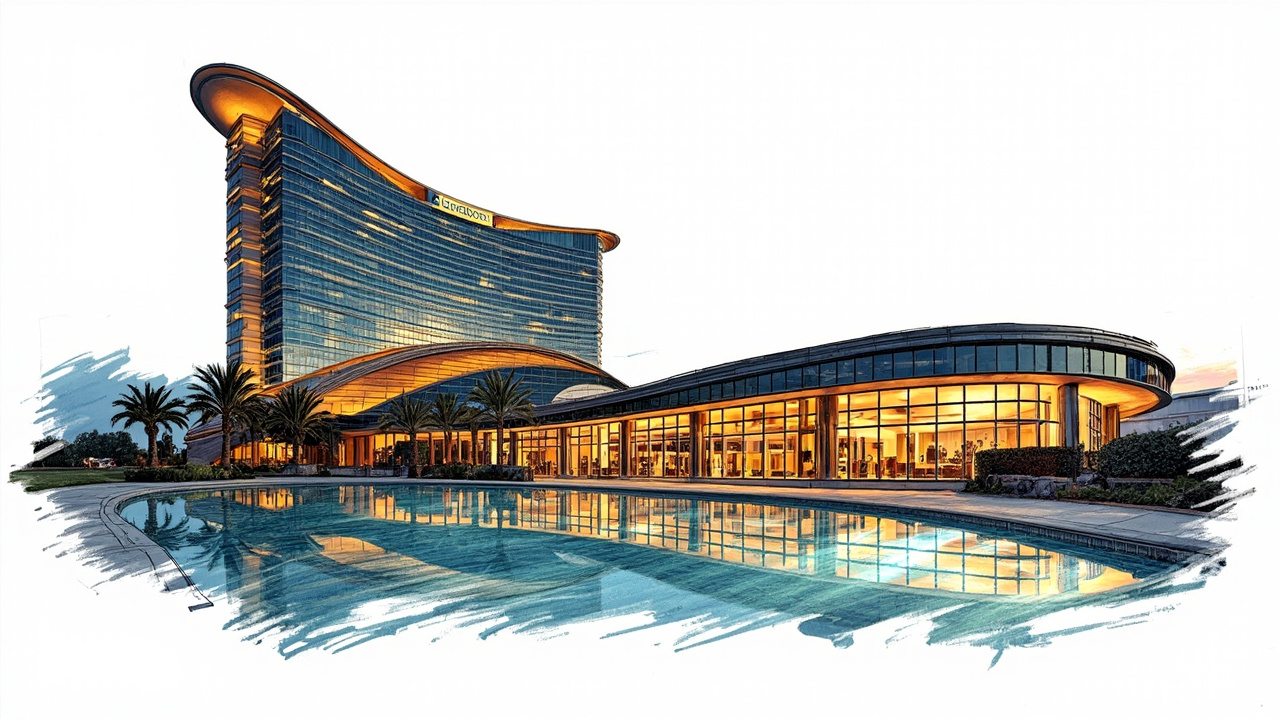
A live table only earns its keep when the lobby around it is built for discovery, not just a wall of thumbnails. The strongest setups I have reviewed pair a tight core of blackjack and roulette variants with a smaller, curated slice of game-show style tables, then let search and favourite tags do the heavy lifting instead of burying players under a plethora of skins. When the same provider appears in five nearly identical roulette tables, engagement thins out; when the mix leans into distinct rule sets and clear table limits, session length holds up. For someone comparing timing against notes on Perth gambling forums, where slow transfers get flagged fast, the lobby has to feel organised before the first card is dealt. I have seen operators treat live content like a side project and watch their average handle drop, while others run it as a disciplined product line with clear table tiers and a sensible game mix. If you are weighing a move toward a towards indian dreaming pokie machine for the slots floor, the live section still needs its own identity rather than borrowing attention from a single branded slot. Grace Phillips, Managing Partner, Eucalypt Digital Advisory, has put it plainly: a live table is only as good as the path a player takes to find it, and that path has to be obvious inside three clicks or the marginal seat goes cold.
Margin, Pace, and the Real Cost of a Seated Table
Profitability in live dealer products is mostly a pacing problem, and pacing is a cost problem. Every dealt hand carries a dealer, a studio, a stream, and a compliance overhead, so the maths only works when table utilisation stays high and idle time stays low. In regional areas where the internet can drop out just when the shoe is mid-deal, a stutter costs more than a frustrated player; it costs a seated ссылка на сайт position that never comes back. I have watched operators on the Queensland coast run smaller tables with tighter limits and keep their margins steadier than bigger rooms that overfill tables and then bleed retention when the pace drags. The racing side of my work has always treated timing as the product, and the same logic applies here: a table that runs clean at a sensible tempo beats a crowded one that feels rushed. Public-health approaches treat gambling harm as a community issue, not just individual failing, and that framing matters for live products because a table that feels predatory burns through its most valuable players fastest. A sound operator keeps the pace honest, sets table limits that match the local market, and does not chase volume by overloading a stream that cannot hold it.
Payments, Verification, and the Discipline Behind the Table
The live floor is only as profitable as the payments and verification layer sitting behind it, because a clean sign-up and a fast payout are what keep a player returning to the same room. Registration has to be straightforward, the currency has to be clear from the first deposit, and the mobile experience has to hold up when someone is playing from a phone on the go rather than a desktop at home. I have built products where the difference between a tidy payout flow and a messy one came down to how the compliance checks were sequenced, not how flashy the lobby looked. Crown Resorts faced major regulatory inquiries over its junket and anti-money-laundering practices, and that history is a useful reminder that live products live or die on the integrity of the back end. Tote betting dividends are not known until the pool closes, and live tables have their own version of that uncertainty: you only know whether a session was profitable after the cards are down and the counts are in. Loyalty has to reward steady play rather than just big bets, and support has to be reachable before a small friction point turns into a lost customer.
Focused FAQ
Do live dealer tables need high traffic to turn a profit?
No, they need steady utilisation more than raw traffic. A smaller table with consistent play and sensible limits can outperform a crowded room where seats sit idle between hands. The margin comes from keeping each seated position productive, not from filling every chair at once.Foxsports
What makes a live lobby worth using in Australia?
A lobby worth using is organised around clear search, distinct table limits, and a game mix that does not repeat the same variant five times. Players stick around when they can find the table they want quickly and when the lobby does not feel cluttered with near-identical options.
Are live dealer products suitable for regional players?
They can be, provided the stream is stable and the table limits match the local market. Regional internet can be patchy, so a product that handles intermittent connections gracefully and keeps verification straightforward will hold its audience better than one that assumes perfect connectivity.